






Our Blogs
Our Blogs
Lorem ipsum dolor sit amet, consectetur adipiscing elit. Ut elit tellus, luctus nec ullamcorper mattis, pulvinar dapibus leo.


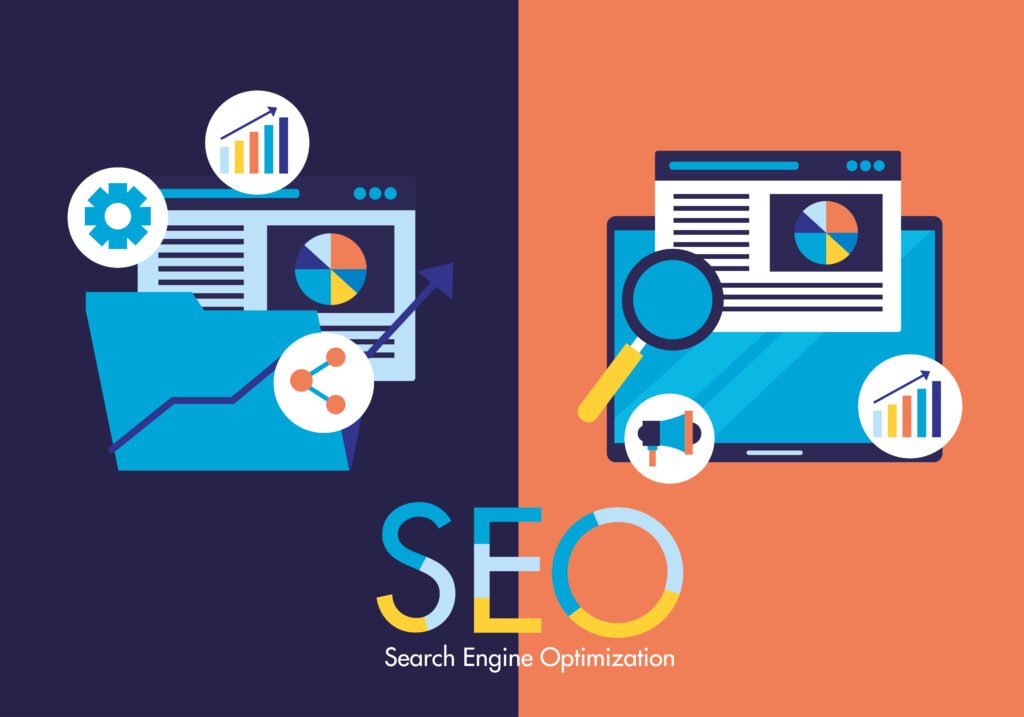
On-Page vs Off-Page SEO: What’s the Difference?
If you want your website to rank on Google, you’ve probably heard these two terms: On-page SEO and Off-page SEO. But what’s the real difference between them?And more importantly — which one matters more for your business? In this complete guide, we’ll break down: Let’s simplify SEO once and for all. What Is On-Page SEO? On-page SEO refers to all the optimizations you make directly on your website to improve search engine rankings. Think of it as everything you control inside your website. Key Elements of On-Page SEO 1. Keyword Optimization Using the right keywords in: Example: If you’re targeting “on-page vs off-page SEO”, it should naturally appear throughout your content. 2. High-Quality Content Google ranks content that: Content is the foundation of on-page SEO. 3. Internal Linking Linking to other relevant pages on your website helps: 4. Website Speed A slow website hurts rankings and conversions. Optimizing: Improves both SEO and user experience. 5. Mobile-Friendliness Google uses mobile-first indexing. If your site isn’t responsive, your rankings suffer. 6. Technical Optimization Includes: All of this falls under advanced on-page SEO. What Is Off-Page SEO? While on-page SEO happens inside your website,off-page SEO happens outside your website. It focuses on building your site’s authority and credibility. Search engines see off-page SEO as signals of trust. Key Elements of Off-Page SEO 1. Backlinks Backlinks are links from other websites pointing to yours. They are one of Google’s strongest ranking factors. The more high-quality backlinks you earn, the more authoritative your website appears. 2. Domain Authority Building When reputable websites mention or link to you, your domain authority increases. Higher authority = better ranking potential. 3. Guest Posting Writing blogs for other websites in exchange for a backlink. This builds traffic and brand exposure. 4. Social Signals Although not a direct ranking factor, strong social engagement: 5. Brand Mentions When your brand is mentioned online (even without a link), Google sees it as a trust signal. On-Page vs Off-Page SEO: Key Differences On-Page SEO Off-Page SEO Happens on your website Happens outside your website Focuses on content & structure Focuses on authority & backlinks Improves user experience Improves domain trust You have full control Requires outreach & strategy Immediate optimization possible Takes time to build Which Is More Important: On-Page or Off-Page SEO? Here’s the honest answer: You need both. Without strong on-page SEO: Without off-page SEO: Think of it this way: On-page SEO builds your foundation.Off-page SEO builds your reputation. You cannot win long-term without both. How On-Page and Off-Page SEO Work Together Imagine your website as a shop. On-page SEO: Off-page SEO: When combined, they create sustainable traffic growth. Common SEO Mistakes Businesses Make Many businesses: SEO is not a shortcut.It’s a long-term strategy. How SEO Helps Grow Website Traffic When done correctly, SEO: Increases organic trafficImproves search rankingsBuilds authorityGenerates qualified leadsReduces paid ad dependencyImproves conversion rates Ranking for keywords like “on-page vs off-page SEO” can bring consistent targeted traffic to your website. Final Thoughts: On-Page vs Off-Page SEO If you’re serious about growing your website traffic, you must understand the difference between on-page and off-page SEO. On-page SEO optimizes your website.Off-page SEO builds your authority. Together, they create a powerful digital presence that ranks, converts, and scales. Need Professional SEO Services? At WebRoot Limited, we provide: If your website isn’t ranking — it’s time to fix the strategy. Contact WebRoot Limited today and start growing your organic traffic.
Custom Website vs Template Website: Which Is Better for Your Business?
If you’re planning to build a website, one of the biggest decisions you’ll face is: Custom website vs template website — which one is better for your business? Both options have advantages. But choosing the wrong one can limit your growth, conversions, and long-term success. In this guide, we’ll break down: What Is a Custom Website? A custom website is designed and developed specifically for your business from scratch. Every element — layout, design, functionality, and structure — is tailored to your brand and goals. Custom web design focuses on: A professional custom website is built around your business strategy — not limited by a pre-made layout. What Is a Template Website? A template website uses a pre-designed layout that you customize with your logo, text, and images. Template websites are commonly built using platforms like: They are faster to launch and more affordable initially, but they come with limitations. Custom Website vs Template Website: Key Differences 1. Design & Branding Template Website: Custom Website: If branding matters to your business, custom website design gives you a strong competitive edge. 2. SEO Performance When it comes to SEO (Search Engine Optimization), structure matters. Template websites often: Custom websites: If your goal is to rank on Google and generate organic traffic, a custom website performs significantly better long term. 3. Website Speed Website speed directly impacts: Template themes often include extra features you don’t need, which slows your website down. Custom-built websites are optimized only for what your business requires — resulting in faster load times and better performance. 4. Scalability & Growth Ask yourself: Will your business grow in the next 2–5 years? Template websites can become restrictive when: Custom websites are built to scale. They grow with your business. 5. Cost Comparison Template Website Custom Website While templates are cheaper initially, custom websites often generate better return on investment (ROI). Which Website Is Better for Your Business? Here’s a simple breakdown: Choose a Template Website if: Choose a Custom Website if: For serious businesses, a custom website is not an expense — it’s an investment. Why Businesses Choose Custom Web Design for Long-Term Growth In competitive industries, standing out is essential. A custom website helps you: When designed strategically, your website becomes your strongest digital marketing tool. Final Verdict: Custom Website vs Template Website If your goal is: Quick setup → Template worksLong-term growth → Custom winsSerious brand positioning → Custom winsSEO-driven traffic → Custom wins The right choice depends on your business goals — but if you’re aiming for sustainable growth, custom website development offers unmatched advantages. Build a Website That Actually Grows Your Business At WebRoot Limited, we don’t just design websites. We build: If you’re serious about growth, your website should work as hard as you do. Ready to upgrade from a basic template to a growth-focused website? Contact WebRoot Limited today and let’s build something powerful.
Digital Marketing for Restaurants & Fast-Food Brands
The restaurant and fast-food industry is more competitive than ever. With new brands opening daily and customers relying heavily on digital platforms to decide where to eat, a strong digital marketing strategy is no longer optional — it’s essential. From local visibility to online ordering and brand loyalty, digital marketing plays a critical role in how restaurants attract, convert, and retain customers. This guide explores how digital marketing helps restaurants and fast-food brands grow, and what strategies deliver real, measurable results. Why Digital Marketing Matters for Restaurants Today’s customers search before they eat. They check Google, scroll through social media, read reviews, and compare menus — often within minutes. If your restaurant doesn’t appear in these moments, you lose business. Effective digital marketing helps restaurants: Digital presence is now part of the dining experience. Local Search Visibility: Be Found When It Matters Local search is the backbone of restaurant marketing. When someone searches for “best burger near me” or “fast food delivery”, your visibility determines whether you win the click. Key Local Marketing Strategies Ranking locally means appearing exactly when customers are ready to order. Website & Online Ordering Experience Your website is often the first impression of your restaurant. A slow, confusing, or outdated site can cost you customers instantly. What a High-Performing Restaurant Website Needs A smooth experience increases conversions and repeat visits. Social Media Marketing for Restaurants Social media is where food sells itself. Visual storytelling, short videos, and real customer moments create emotional connections that drive action. Effective Social Media Content Ideas Consistent posting keeps your brand top-of-mind and builds trust. Video & Reels: Capture Attention Fast Short-form video is one of the highest-performing formats for food brands. People scroll fast — but great visuals stop them. Why Video Works for Restaurants Reels don’t just showcase food — they sell the experience. Paid Advertising for Fast-Food Brands Paid ads help restaurants reach customers instantly, especially during promotions or peak hours. Smart Ad Strategies When combined with strong visuals, ads become powerful conversion tools. Branding & Visual Identity Consistency builds recognition. From menu design to social posts, your brand should look and feel the same everywhere. Strong branding: Customers remember brands that look professional and consistent. Data-Driven Marketing: Improve What Works Successful restaurants don’t guess — they measure. Tracking performance helps refine strategies and improve ROI. Important metrics include: Data allows restaurants to grow smarter, not harder. Common Digital Marketing Mistakes Restaurants Make Many restaurants struggle because they: Fixing these gaps can dramatically improve results. How a Digital Marketing Agency Helps Restaurants Grow Working with a digital marketing agency gives restaurants access to: Instead of juggling multiple vendors, restaurants get a unified growth strategy. Digital marketing is no longer just promotion — it’s how restaurants compete, connect, and grow. Whether you run a local fast-food outlet or a multi-location restaurant brand, the right digital strategy helps you reach more customers, build loyalty, and increase revenue. The brands that invest in digital today will lead the market tomorrow.
Common Digital Marketing Mistakes (And How to Fix Them)
Digital marketing has become one of the most powerful growth tools for businesses — yet many brands still struggle to see real results. The reason isn’t a lack of effort, but Common Digital Marketing Mistakes that silently block growth. From unclear messaging to poor data tracking, these mistakes cost businesses time, money, and visibility. The good news? Every mistake is fixable — with the right approach. In this guide, we’ll break down the most common digital marketing mistakes businesses make and show you practical ways to fix them for long-term success. 1. Not Having a Clear Digital Marketing Strategy The Mistake Many businesses jump straight into marketing activities — running ads, posting on social media, or launching a website — without a clear plan. Without a strategy, efforts become scattered and inconsistent, making it hard to measure success or scale results. How to Fix It Start with a structured digital marketing strategy that answers: A strategy aligns all efforts toward a single goal and turns marketing into a growth system — not guesswork. 2. Focusing on Channels Instead of Customers The Mistake Businesses often chase trends instead of understanding their audience. Being “everywhere” doesn’t help if your message isn’t relevant. Posting content without knowing customer intent leads to low engagement and poor conversions. How to Fix It Shift your focus from platforms to people: When your marketing speaks directly to your audience, engagement and trust follow naturally. 3. Ignoring Website Performance and User Experience The Mistake A slow, outdated, or confusing website can undo even the best marketing campaign. Many businesses invest in traffic but neglect the experience once users arrive. Poor UX leads to high bounce rates and lost opportunities. How to Fix It Optimize your website for: Your website should guide users effortlessly from interest to action. 4. Treating SEO as a One-Time Task The Mistake Some businesses think SEO ends after keyword placement or initial optimization. In reality, SEO is an ongoing process. Search engines prioritize relevance, freshness, and user value — not shortcuts. How to Fix It Adopt a long-term SEO approach: Sustainable SEO builds authority and delivers long-term traffic. 5. Creating Content Without Purpose The Mistake Posting content just to “stay active” often leads to low engagement. Content without direction rarely converts. How to Fix It Every piece of content should have a purpose: Plan content around the buyer journey — from awareness to conversion — to keep users engaged and informed. 6. Not Tracking Data or Measuring Results The Mistake Running campaigns without tracking performance is like driving without a dashboard. Many businesses rely on assumptions instead of data. This leads to wasted budgets and missed optimization opportunities. How to Fix It Use analytics tools to track: Data-driven decisions allow you to improve what works and fix what doesn’t. 7. Expecting Instant Results The Mistake Digital marketing is not an overnight solution. Unrealistic expectations often lead businesses to abandon strategies too early. How to Fix It Focus on consistent growth instead of quick wins: Patience combined with strategy delivers sustainable success. Why Avoiding These Mistakes Matters? Digital marketing isn’t just about visibility — it’s about building trust, driving action, and creating growth. Avoiding these common mistakes helps businesses: With the right approach, digital marketing becomes a powerful engine for long-term success. Most digital marketing failures aren’t caused by lack of effort — they’re caused by lack of strategy. By identifying mistakes early and fixing them with data, clarity, and customer-focused thinking, businesses can turn underperforming campaigns into measurable growth. If your goal is to grow smarter — not harder — the right digital strategy makes all the difference.
How a Digital Marketing Agency Helps Businesses Grow Online
In today’s digital-first world, simply having a website or social media presence is no longer enough. In fact, businesses that consistently grow online do so with clear strategy, data-driven decisions, and expert execution. This is where a digital marketing agency plays a critical role. A professional digital marketing agency doesn’t just promote your business — instead, it builds a system for sustainable online growth. From visibility and engagement to leads and conversions, every step is designed with purpose. This article explains how a digital marketing agency helps businesses grow online, why partnering with one is valuable, and what results you can realistically expect. Understanding Digital Growth in Today’s Market Online growth is not accidental. Rather, it is the result of multiple elements working together. For example, businesses need: When these elements are disconnected, however, businesses struggle to see results. Therefore, A digital marketing agency connects them into a single growth-focused strategy. Strategic Planning: The Foundation of Online Growth One of the biggest advantages of working with a digital marketing agency is strategy. Instead of random tactics, an agency starts by understanding: Based on this, a tailored digital marketing strategy is created. This strategy defines: Without strategy, marketing becomes guesswork. With strategy, every action has a purpose. Improving Online Visibility Through SEO Search Engine Optimization (SEO) is one of the most powerful ways to grow online. However, SEO requires consistency and expertise. A digital marketing agency improves visibility through: Because of this, your business appears in front of the right audience at the right time. Unlike paid ads, SEO builds long-term authority and sustainable traffic. Turning Visitors Into Customers With UI/UX Optimization Getting traffic is only half the journey. Ultimately, growth happens when visitors take action. A digital marketing agency focuses heavily on user experience (UI/UX) to ensure: Small improvements in layout, messaging, or flow can significantly increase conversions. This is why agencies treat design and usability as growth tools, not just aesthetics. Building Brand Awareness Through Digital Marketing Channels A strong online presence builds trust before a customer ever contacts you. Digital marketing agencies help businesses create consistent brand visibility across: Consistency is key. When users repeatedly see your brand with a clear message and professional presentation, credibility increases — and so does engagement. Driving Targeted Results With Paid Advertising Paid advertising, when done correctly, accelerates growth. A digital marketing agency manages platforms such as: Instead of spending blindly, agencies: This ensures advertising budgets are spent efficiently and contribute directly to business goals. Content That Educates, Engages, and Converts Content is a major driver of online growth. A digital marketing agency helps create content that: This includes blog posts, social media content, visuals, and campaign messaging. High-quality content keeps users on your website longer and builds long-term trust. Performance Tracking and Continuous Optimization One of the most important roles of a digital marketing agency is measuring performance. Agencies track: This data is used to continuously refine strategies. What works is scaled. What doesn’t work is improved or removed. Online growth is not static — it evolves, and agencies ensure businesses evolve with it. Saving Time and Reducing Costly Mistakes Many businesses try to manage digital marketing internally, only to face: A digital marketing agency brings experience, tools, and systems that help avoid these mistakes. This allows business owners to focus on operations while experts handle growth. Long-Term Growth, Not Short-Term Wins The biggest value of a digital marketing agency is sustainability. Instead of chasing trends, agencies focus on: This results in growth that continues over time — not just short bursts of attention. Why Businesses Choose Digital Marketing Agencies Businesses partner with digital marketing agencies because they want: A good agency becomes an extension of the business, working collaboratively toward shared goals. Growing online is no longer optional — it’s essential. But growth requires more than tools or platforms. It requires strategy, execution, and continuous optimization. A digital marketing agency helps businesses grow online by connecting all the pieces into a unified system designed for visibility, engagement, and results. For businesses serious about long-term success, partnering with the right digital marketing agency is not an expense — it’s an investment in growth.